

When people play online games, they usually focus on outcomes. Wins, losses, balance, luck. That is what they see.
But something else is always working quietly in the background.
Movement.
How fast reels spin. How quickly cards flip. How long it takes for results to appear. These small movements are called animation, and they play a much bigger role than most people realize.
Animation speed does not just make a game look good. It changes how a person feels. And when feelings shift, decisions change too.
This effect is subtle. You do not notice it directly, but it shapes your behavior over time.
Let us understand how.
Fast Animation Creates Energy and Faster Decisions
Imagine opening a game where everything moves quickly.
The reels spin almost instantly. Results appear in a flash. Sounds react immediately. There is no waiting.
You feel alert. Engaged. Slightly excited.
This is not random. Fast animation increases stimulation in the brain. Studies in behavioral psychology show that high-speed visual feedback can increase reaction speed by up to 20 to 30 percent in digital environments.
That means players act faster without realizing it.
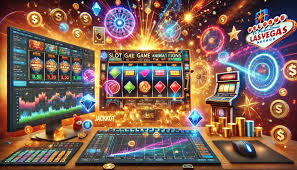
Fast visuals create a continuous loop of action, reducing pauses between decisions.
When there is no pause between actions, something important happens.
The brain has less time to reflect.
Instead of thinking, players begin to follow a rhythm:
Tap. Result. Tap again.
This creates what psychologists call automatic behavior, where actions become repetitive and less conscious.
This links closely to a concept known as cognitive load.
When the brain is busy processing fast-moving visuals, it has less space for deep thinking.
Real Example
A player using a fast slot game might:
- Increase bet size quickly
- Continue playing without pauses
- React emotionally to wins or losses
One player shared in a gaming forum:
“When the spins are fast, I don’t even realize how many times I’ve played. It just keeps going.”
Another said:
“Fast games feel exciting, but I definitely take more risks without thinking too much.”
These are not accidents. They are natural responses to speed.
Slow Animation Creates Awareness and Control
Now imagine the opposite.
The reels spin slowly. There is a short pause before results appear. The transitions feel calm and smooth.
At first, it may feel less exciting.
But something else happens.
The brain gets time to breathe.
Slower movement introduces small pauses that allow reflection between actions.
These pauses may only be a few seconds, but they make a big difference.
Behavioral studies show that even a 2 to 3 second delay between actions can reduce impulsive decisions by up to 15 percent.
That small gap gives the player time to think:
- Should I continue?
- Should I lower my bet?
- Should I stop?
This creates awareness.
A calmer pace also reduces emotional intensity. The heart rate stays steady. The mind feels more in control.
A UX researcher once explained it simply:
“Speed drives emotion. Slowness creates reflection.”
Players in slower environments often:
- Take fewer risks
- Make more deliberate choices
- Stay more aware of their balance
One player described it like this:
“When the game slows down, I actually notice my losses more. It makes me think before I spin again.”
Why Speed Directly Affects Risk Taking
The connection between speed and behavior is not random. It is deeply linked to how the brain processes time and reward.
Fast animation compresses time.
When rounds happen quickly:
- Wins and losses blur together
- The sense of money value becomes less clear
- Decisions feel lighter and less serious
This effect is similar to what researchers call temporal discounting, where people value immediate rewards more than future outcomes.
In fast environments:
- Immediate action feels more important
- Long-term thinking fades
In slower environments:
- Time feels expanded
- Consequences feel more real
- Decisions feel heavier
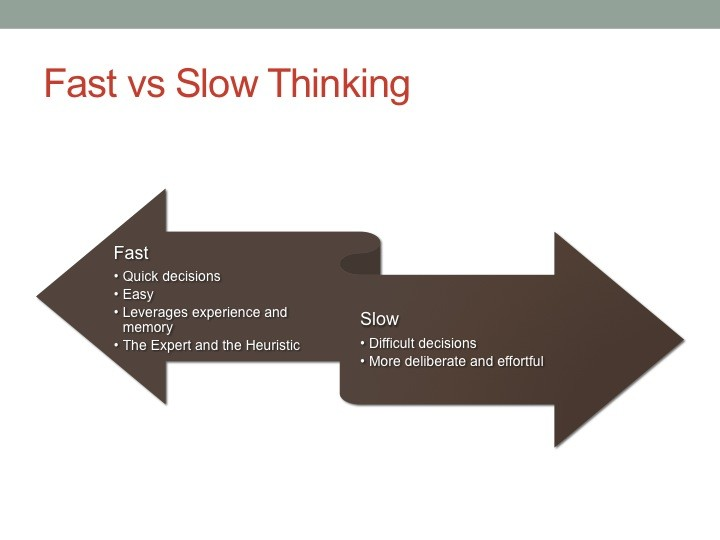
Fast pacing leads to continuous action, while slower pacing introduces thinking time.
How Game Designers Use a Mix of Speeds
Modern games rarely stay fully fast or fully slow.
Instead, designers carefully combine both.
For example:
- The spin may be fast to create excitement
- The result moment may slow down slightly to build tension
- Winning animations may expand with lights and sound
- Losing transitions may stay quick and quiet
This balance is intentional.
It creates a rhythm that keeps players engaged while still highlighting key emotional moments.
A game designer once described this balance:
“We don’t just design visuals. We design timing. Timing controls how players feel.”
The Hidden Psychology: We Match the Speed We See
Humans naturally adjust their behavior based on the environment.
If everything around you moves quickly, you move quickly.
If everything slows down, you slow down too.
This is part of a broader psychological response often studied under behavioral synchronization.
You do not consciously decide to speed up or slow down.
Your brain simply follows the rhythm.
That is why animation speed can influence risk-taking behavior without force.
It does not tell you what to do.
It simply sets the pace.
Final Thought: Speed Is a Silent Influence
At first glance, animation speed seems like a small detail.
But in reality, it shapes:
- How fast you act
- How much you think
- How you feel about risk
Fast animation builds excitement and quick decisions.
Slow animation builds awareness and control.
Next time you play a game, take a moment to observe.
Watch how quickly things move.
Notice how you respond.
You may discover something surprising.
Your decisions are not only shaped by the game itself, but also by the speed at which the game moves.
And in that quiet movement lies a powerful influence over how people take risks.