

There is a quiet truth about human behavior that becomes very clear inside gaming environments, and that truth is simple: people stay longer in places that feel easy to understand. When a player enters a space that feels clear, smooth, and predictable, the mind does not feel heavy or confused. Instead, it relaxes. This sense of ease allows attention to stay focused on the experience itself, rather than on figuring out how the experience works.
In many cases, players do not even realize that design is shaping how long they stay. The influence is not loud or obvious. It works quietly in the background, guiding actions without pressure. A simple design removes small obstacles, reduces unnecessary thinking, and allows the player to move from one moment to the next without interruption.
This is not accidental. It is deeply connected to how the human brain prefers to process information.
Clear Structure Reduces Mental Effort
One of the strongest reasons simple designs keep players engaged is that they reduce cognitive load, which refers to the amount of mental effort required to understand and interact with something.
When a system is complex, the brain must constantly pause, process, and decide. Each of these steps consumes energy. Over time, this effort becomes tiring, and the player is more likely to disengage.
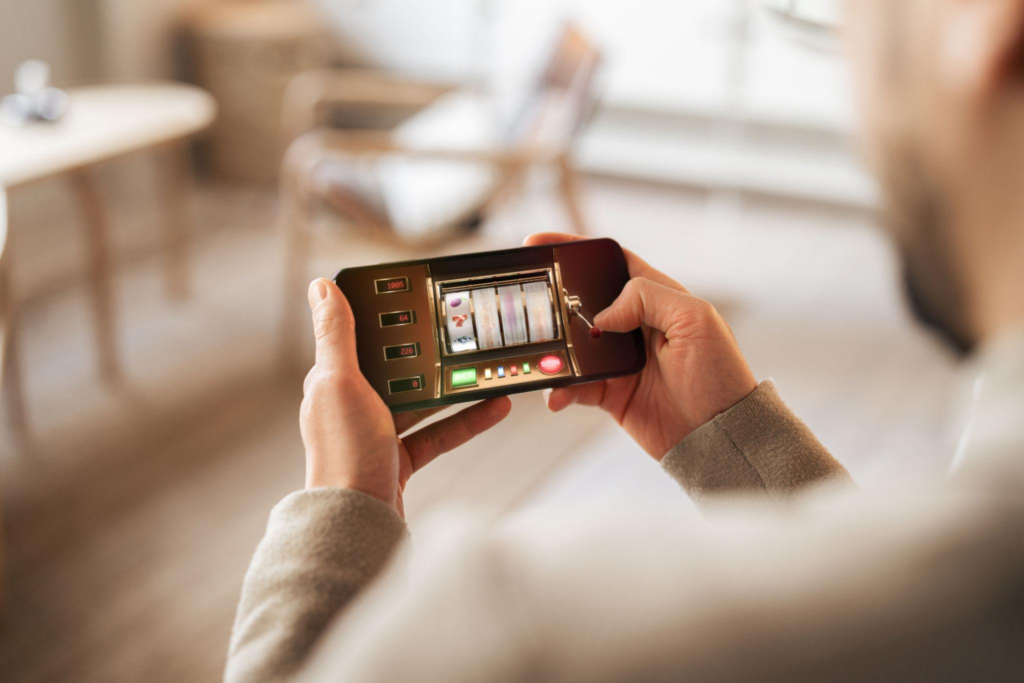
In contrast, a simple design removes this burden.
When buttons are clearly placed, options are easy to recognize, and outcomes are easy to understand, the player does not need to think as much. The brain can operate in a more relaxed state.
Research in user experience design shows that users complete tasks up to 50% faster in simplified interfaces, and more importantly, they report feeling less fatigue.
A player once described this feeling in a very direct way:
“I didn’t have to think about what to do next. It was obvious, and that made it easy to keep going.”
This clarity allows the player to stay focused on the experience itself, rather than on the system behind it.
Smooth Flow Keeps Attention Moving Forward
Another key factor is flow.
Simple designs create a continuous path from one action to the next. There are no unnecessary interruptions, no confusing steps, and no moments where the player feels stuck. This creates a sense of rhythm.
Psychologist Mihaly Csikszentmihalyi described flow as a state where a person is fully immersed in an activity, losing track of time and external distractions. One of the key conditions for flow is clarity — knowing exactly what to do at each moment.
Simple design supports this perfectly.
When each action leads naturally into the next, attention stays forward. The player does not pause to reflect on the system. Instead, they remain inside the experience.
A common player observation reflects this:
“It felt like one continuous moment. I didn’t notice how long I had been playing.”
This smooth progression is powerful because it removes natural stopping points. Without pauses, there is less opportunity for the player to step back and disengage.
Familiar Patterns Build Confidence and Comfort
Simplicity is often closely connected to familiarity.
Simple systems use patterns that people already understand — buttons in expected places, actions that behave in predictable ways, layouts that feel recognizable. When something feels familiar, the brain processes it faster and with less effort.
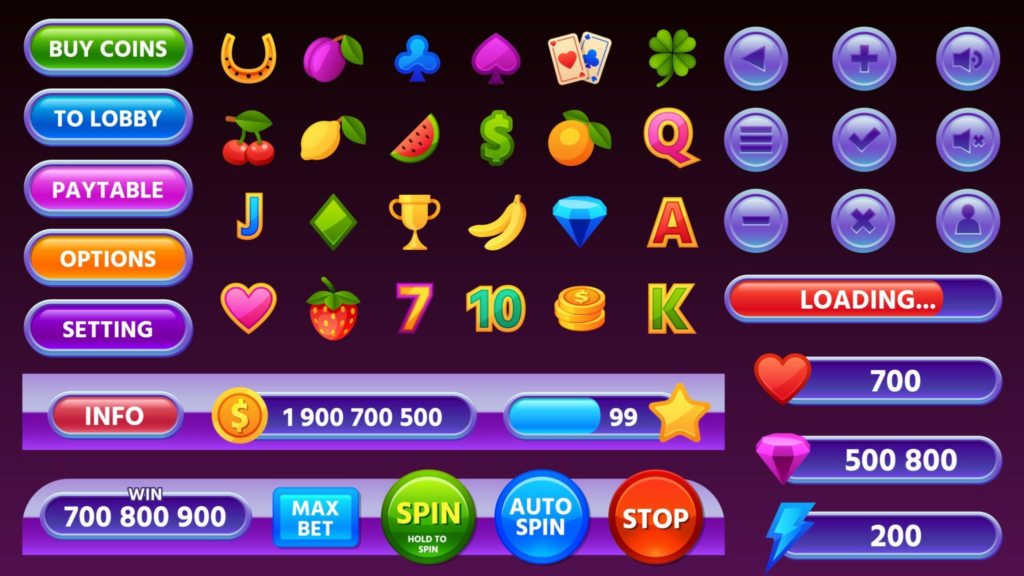
Neuroscience research shows that familiar patterns activate recognition systems in the brain, reducing uncertainty and increasing comfort.
In a gaming environment, this means the player does not need to learn something new at every step. Instead, they rely on what they already know.
A player described this experience:
“It felt natural. I didn’t have to learn anything. I just knew what to do.”
This sense of familiarity builds confidence. The player feels capable and in control, even in an environment where outcomes themselves are unpredictable.
That balance — predictable interaction with unpredictable results — is what keeps engagement strong.
Reduced Friction Keeps the Experience Effortless
Another important factor is the reduction of friction.
Friction refers to anything that slows the player down — confusion, delays, unclear instructions, or unnecessary steps. Even small amounts of friction can break immersion.
Simple designs minimize these moments.
Everything works quickly. Actions respond immediately. Transitions feel smooth.
Behavioral research shows that even minor interruptions can reduce engagement significantly. In contrast, low-friction systems increase the likelihood of continued interaction, because the path forward always feels open.
A player once explained it like this:
“Nothing got in the way. There was no reason to stop.”
This absence of resistance is subtle but powerful. When the experience feels effortless, the player continues naturally, without needing motivation.
Time Perception Changes in Simple Systems
One of the most interesting effects of simple design is how it changes the perception of time.
When the brain is not overloaded with decisions, and when actions flow smoothly, time begins to feel compressed. Minutes pass without being noticed.
Studies in behavioral psychology have shown that people in low-friction, high-flow environments often underestimate time spent by 30% to 50%.
This is not because they are unaware, but because their attention is fully engaged in the present moment.
A player described this clearly:
“I thought I had been there for maybe 20 minutes. It was over an hour.”
Simple design plays a direct role in this effect by keeping the experience continuous and uninterrupted.
Real Example: Simple vs Complex Design
To understand the difference, imagine two systems.
In the first system, the player must navigate multiple menus, read detailed instructions, and make frequent decisions about settings. Each step requires thought. The experience feels slower.
In the second system, everything is visible and intuitive. The next action is always clear. There is no need to search or decide.
Most players will stay longer in the second system.
Not because it is more exciting, but because it is easier.

This type of flow is often shown as a smooth path, where each step connects seamlessly to the next. There are no sharp breaks, only gentle transitions.
The Psychology of Staying Without Thinking About It
At a deeper level, simple design works because it aligns with natural human behavior.
The brain prefers:
- Clarity over complexity
- Familiarity over novelty
- Ease over effort
When an environment matches these preferences, the person feels comfortable. And when people feel comfortable, they tend to stay longer.
Importantly, this does not feel like a decision.
It feels natural.
A player explained it in a simple way:
“I didn’t decide to stay longer. I just didn’t feel like stopping.”
Awareness Changes the Experience
There is a simple and meaningful truth behind all of this.
People stay longer in places that feel easy.
Not because they are forced to, but because nothing encourages them to stop.
But awareness changes this.
When a person begins to notice how design shapes their behavior, they create a small space between action and response. That space allows for reflection.
They can ask:
- Am I staying because I want to, or because it feels easy to continue?
- Have I noticed how much time has passed?
- Is this experience guiding me quietly?
This awareness does not remove the experience. It simply makes it visible.
Final Thought
Simple design does not need to be loud or complex to be effective.
Its strength comes from clarity, familiarity, and ease.
By reducing mental effort, creating smooth flow, and removing friction, it allows players to stay engaged without feeling tired or overwhelmed.
Each moment feels light. Each step feels natural.
And because nothing interrupts the experience, time moves quietly in the background.
In the end, players stay longer not because they are pushed to stay, but because the design makes staying feel effortless — a continuous, calm movement from one moment to the next, guided by simplicity itself.