

Introduction
The growth of online gaming platforms has made casino entertainment more accessible than ever before. Modern technology allows users to enjoy various games from smartphones, tablets, and computers at any time of day. While online gaming can provide entertainment and excitement, maintaining responsible habits is extremely important for creating a balanced and healthy experience.
Responsible gaming refers to practices that help individuals manage their participation in a safe and controlled manner. It involves understanding personal limits, maintaining awareness, and ensuring that gaming remains a form of entertainment rather than a source of stress or financial difficulty.
As the online gaming industry continues expanding globally, awareness regarding responsible gaming habits has become increasingly important for players and gaming operators alike.

Setting Personal Limits
One of the most important responsible gaming habits is setting clear personal limits before participating. These limits may involve time, spending, or frequency of gaming sessions.
Establishing a budget helps users avoid spending beyond what they can comfortably afford. Many responsible players decide in advance how much money they are willing to use for entertainment purposes and avoid exceeding that amount.
Time management is equally important. Spending long periods on gaming platforms without breaks can affect daily responsibilities and routines. Setting session limits or using reminders can help users maintain balance between gaming and other activities.
Viewing Gaming as Entertainment
Responsible gaming involves treating casino activities as a form of entertainment rather than a guaranteed source of income. Outcomes in casino games are generally based on chance, and there is no system that can consistently predict results.
Maintaining realistic expectations helps users approach gaming with a healthier mindset. Players who understand the entertainment-focused nature of casino games are less likely to develop unhealthy habits or emotional stress related to outcomes.
Many industry experts encourage users to focus on enjoyment, social interaction, and recreational value instead of financial expectations.
Recognizing Emotional Decision-Making
Emotions can strongly influence decision-making during gaming activities. Stress, frustration, excitement, or disappointment may affect how users interact with casino platforms.
Responsible players understand the importance of avoiding impulsive decisions driven by emotions. Taking breaks after losses or stepping away during moments of frustration can help maintain better judgment.
Gaming while emotionally distressed may lead to unhealthy patterns or excessive participation. Many experts recommend approaching gaming sessions with a calm and balanced mindset.
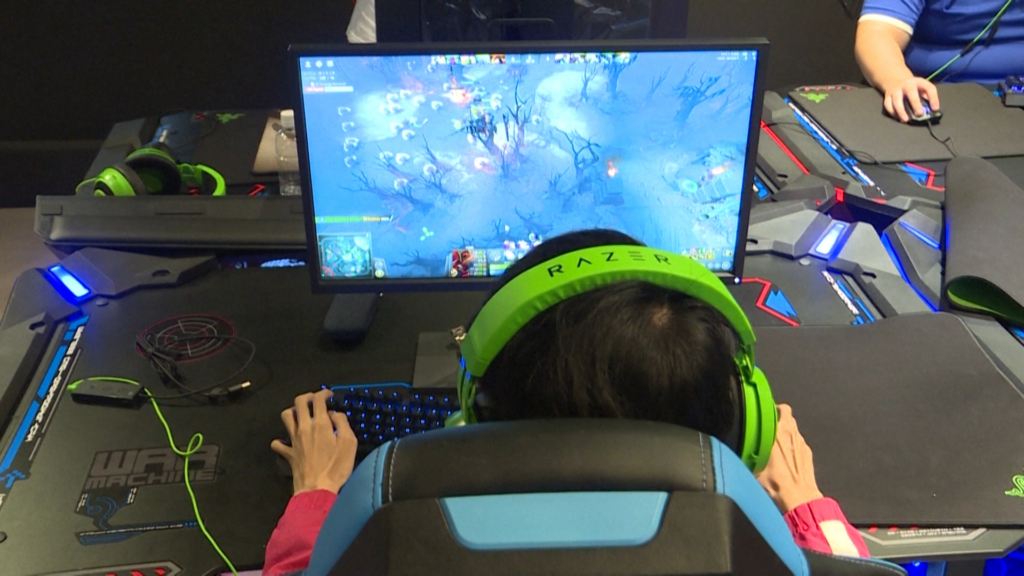
Importance of Taking Breaks
Regular breaks are an essential part of responsible gaming habits. Continuous gaming for extended periods can reduce concentration and affect decision-making abilities.
Short breaks help users remain aware of time and maintain perspective during entertainment activities. Many online platforms now include optional reminder systems that notify players about the duration of their sessions.
Balancing gaming with physical activity, social interaction, work, and personal responsibilities contributes to a healthier overall lifestyle.
Understanding Game Rules and Risks
Responsible participation also involves understanding the rules, mechanics, and risks associated with different casino games. Every game operates differently and includes unique odds, betting structures, and gameplay systems.
Players who take time to learn game rules are generally more informed and better prepared for the experience. Educational awareness reduces confusion and encourages more thoughtful participation.
Many gaming platforms now provide instructional guides, demo modes, and informational content that help users become familiar with games before participating.
Avoiding Chasing Losses
One of the most commonly discussed responsible gaming habits is avoiding the behavior known as “chasing losses.” This occurs when individuals continue playing in an attempt to immediately recover previous losses.
Chasing losses can lead to emotional decision-making and increased spending. Responsible players recognize that gaming outcomes are unpredictable and understand the importance of accepting results calmly.
Maintaining discipline and sticking to pre-planned limits helps reduce the likelihood of unhealthy gaming patterns.
Using Responsible Gaming Tools
Modern online gaming platforms increasingly offer responsible gaming tools designed to support safer participation. These features help users monitor and manage their gaming activity more effectively.
Common tools include deposit limits, session reminders, temporary account breaks, and self-exclusion options. Some platforms also provide activity summaries that allow users to review their gaming habits over time.
These tools encourage greater self-awareness and allow users to maintain better control over their entertainment activities.
The Role of Family and Social Support
Friends and family can also play an important role in encouraging responsible gaming habits. Open communication and support systems help individuals maintain balance and recognize unhealthy patterns if they develop.
In some cases, discussing gaming habits with trusted individuals may help users reflect on their behavior and make healthier decisions. Social awareness contributes to safer and more informed participation.
Gaming operators and public organizations also continue promoting educational campaigns related to balanced entertainment practices.

Technology and Responsible Gaming
Technology continues influencing the way responsible gaming practices are implemented across the industry. Artificial intelligence and behavioral monitoring systems are now being used by some platforms to identify unusual activity patterns and encourage safer participation.
Digital tools can provide automated reminders, spending analysis, and educational notifications that promote healthier habits. As technology advances further, responsible gaming systems are expected to become more personalized and effective.
The gaming industry increasingly recognizes that long-term sustainability depends on promoting user safety and balanced entertainment experiences.
Creating Healthy Entertainment Habits
Responsible gaming is most effective when combined with healthy lifestyle habits. Maintaining hobbies, spending time with family, participating in social activities, and balancing entertainment with responsibilities all contribute to overall well-being.
Players who approach gaming with moderation and awareness are more likely to maintain positive experiences over time. Healthy routines reduce the likelihood of excessive behavior and encourage long-term balance.
Entertainment should remain enjoyable and should never interfere with personal, financial, or professional responsibilities.
Conclusion
Responsible gaming habits are essential for maintaining safe and balanced participation within the online gaming industry. Setting personal limits, understanding game mechanics, managing emotions, and using available safety tools all contribute to healthier gaming experiences.
As technology and online platforms continue evolving, awareness regarding responsible gaming practices remains increasingly important. Gaming operators, regulators, and public organizations all play a role in promoting safer entertainment environments.
By approaching gaming with discipline, awareness, and balance, players can enjoy online entertainment responsibly while maintaining healthy lifestyle habits and informed decision-making.